From Notebook to Production
A hands-on Machine Learning, Deep Learning & Deployment workshop
A hands-on workshop for faculty and research scholars at VIT Chennai, taking a model from data preparation and training all the way to a working deployment.
Overview
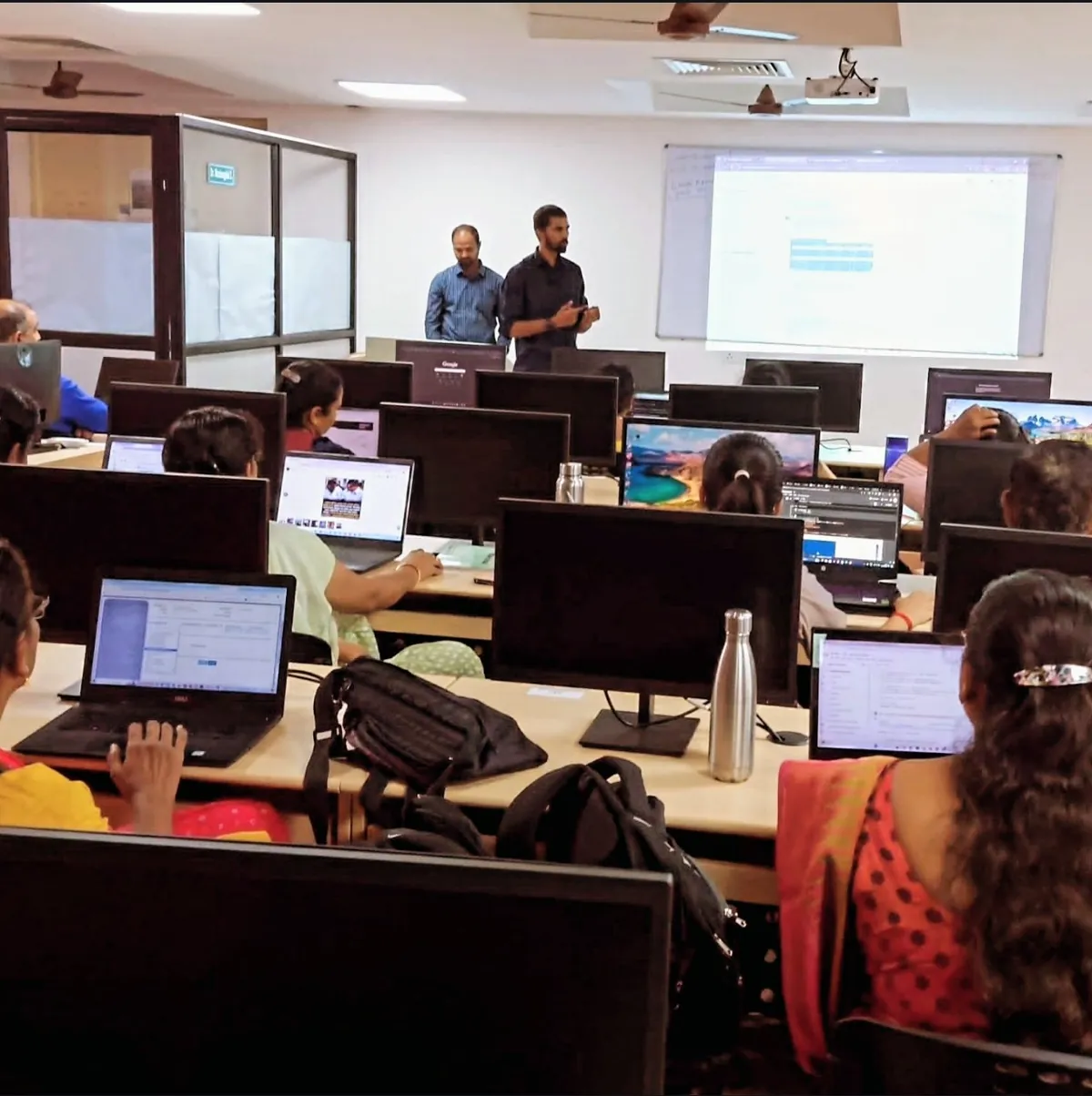
Most machine learning courses end with a model in a notebook. This workshop went further. Over hands-on sessions, faculty members and research scholars at VIT Chennai took a problem from raw data to a trained model, then to a deep learning approach, and finally to a model running as a service that other applications can use.
Why this workshop
Teaching and research increasingly need more than accuracy on a test set. Students and collaborators ask how a model is actually used, how it behaves on new data and how it is kept working. The goal was to give participants the full picture, so they can bring it into their own courses and research projects.
What we covered
1. Machine learning foundations
Framing a problem as a learning task, preparing and exploring data, engineering features, and splitting data properly. Training classical models, choosing the right evaluation metric and spotting overfitting and data leakage before they cause trouble.
2. Deep learning
How neural networks learn: layers, loss functions, optimisers and the training loop. Regularisation and tuning, building and training a network end to end, and when deep learning is worth its extra cost compared with a simpler model.
3. Deployment
Saving a trained model, serving predictions through an API, packaging it so it runs the same everywhere, and what to watch once real data starts arriving.
How it ran
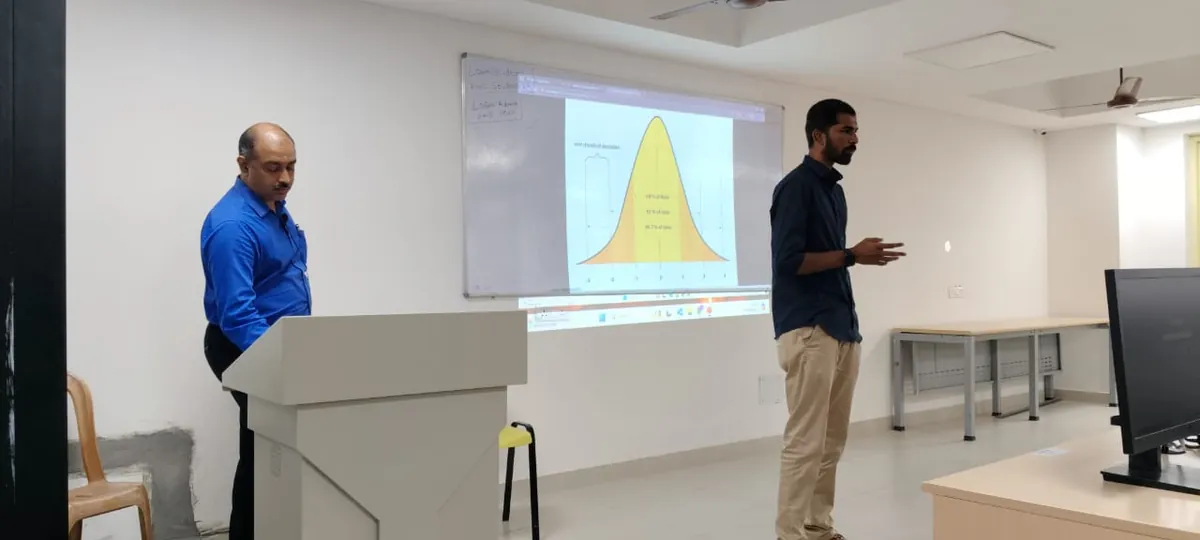
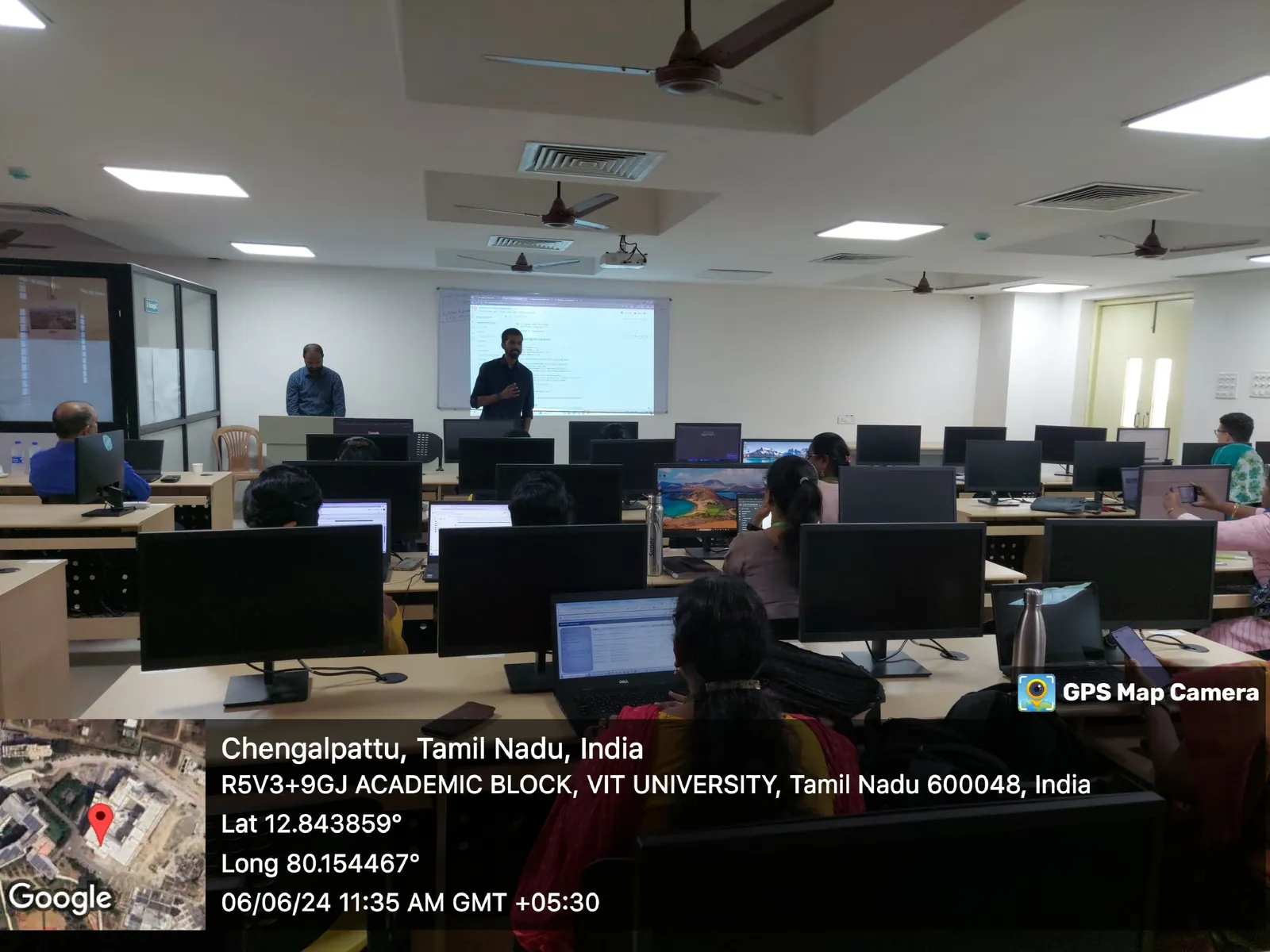
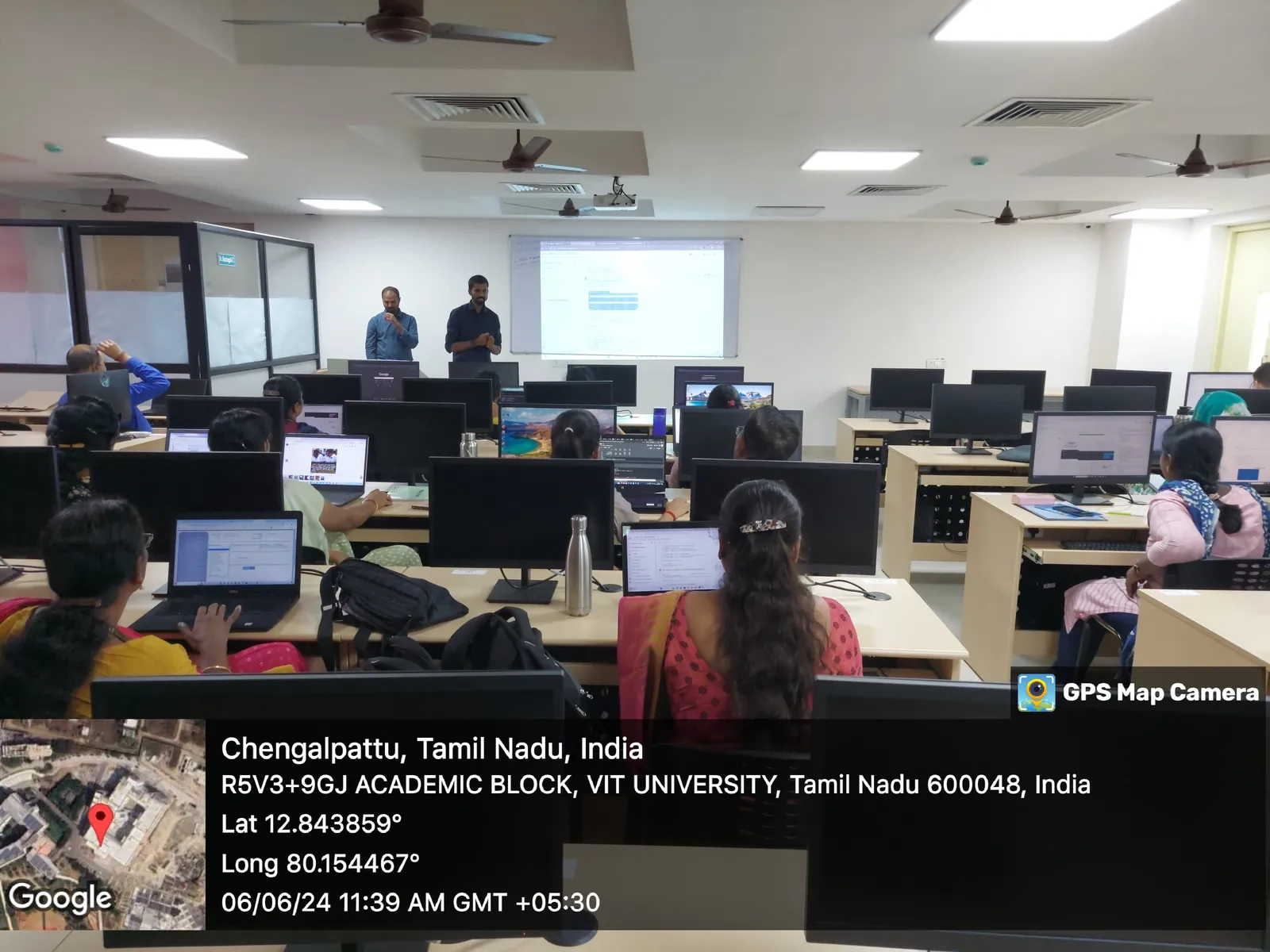
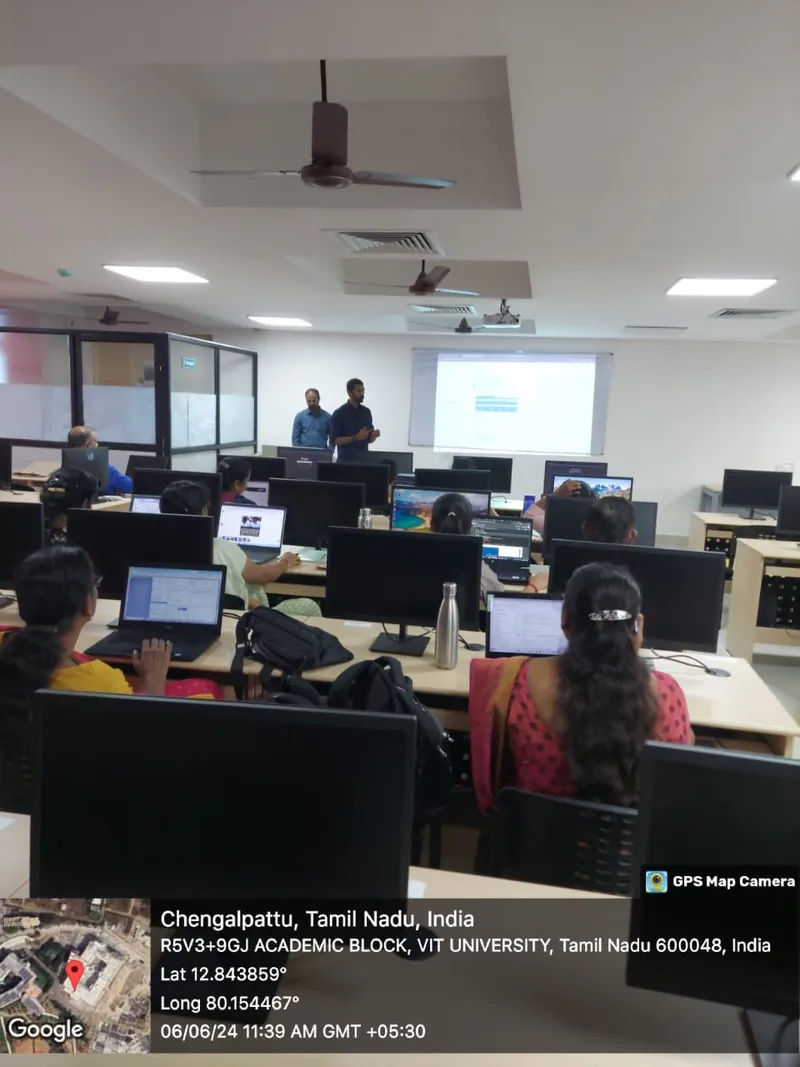
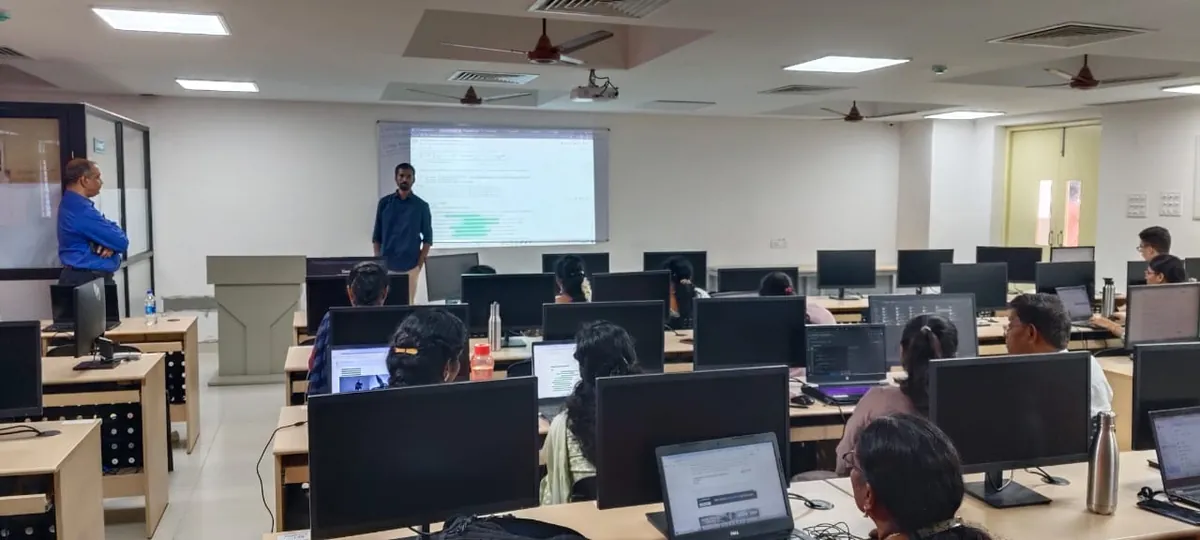
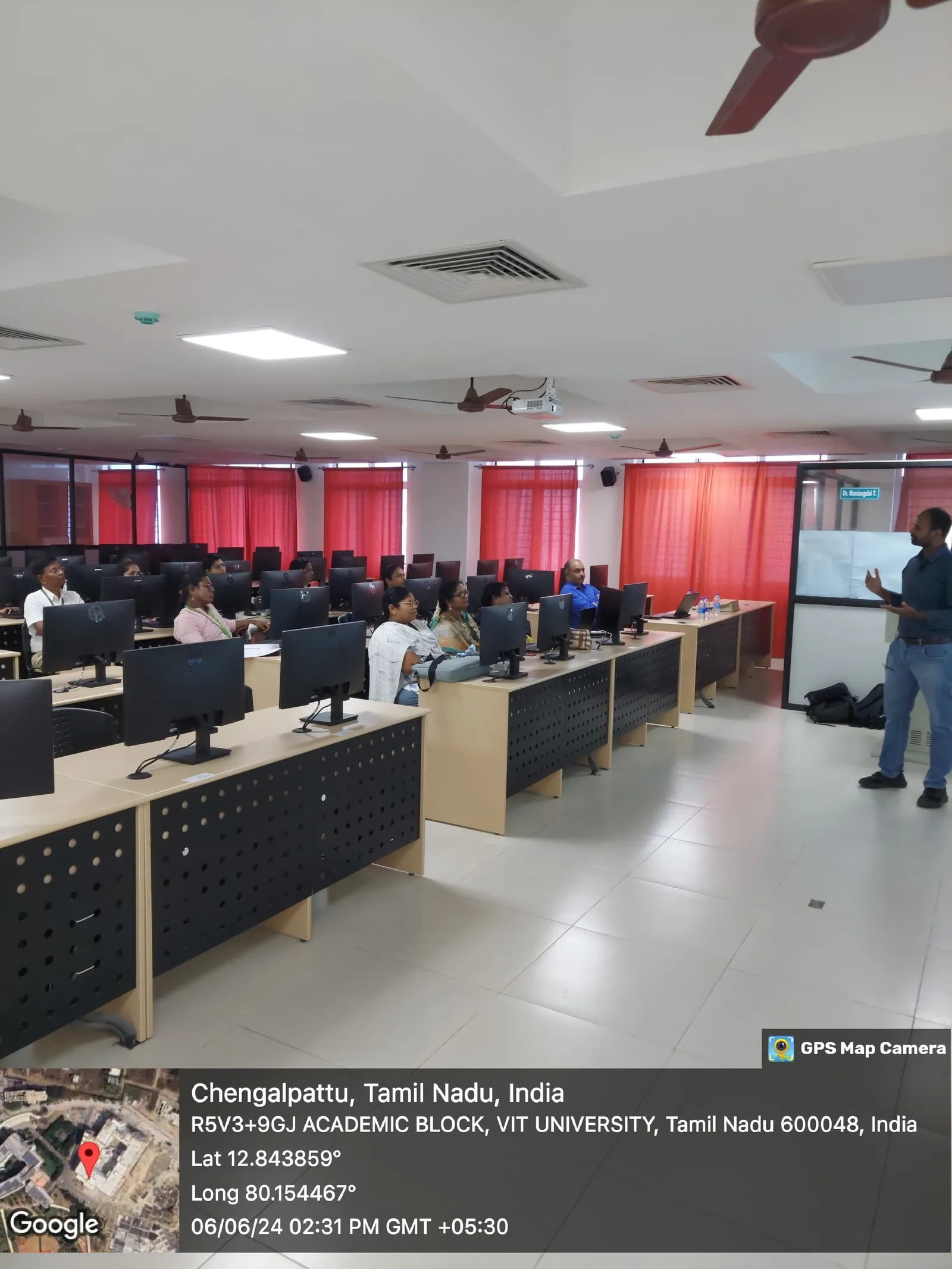
Every topic followed the same rhythm: a short explanation, then a guided lab where every participant worked on their own machine. Each lab built on the previous one, so by the end everyone had taken the same project from data to deployment.
Key takeaways
- A model is only useful once someone can use it: plan for deployment from the start.
- Choose evaluation metrics that match the real-world cost of mistakes.
- Start simple; reach for deep learning when the problem and the data justify it.
- Treat a deployed model as a product that needs monitoring, not a one-off result.